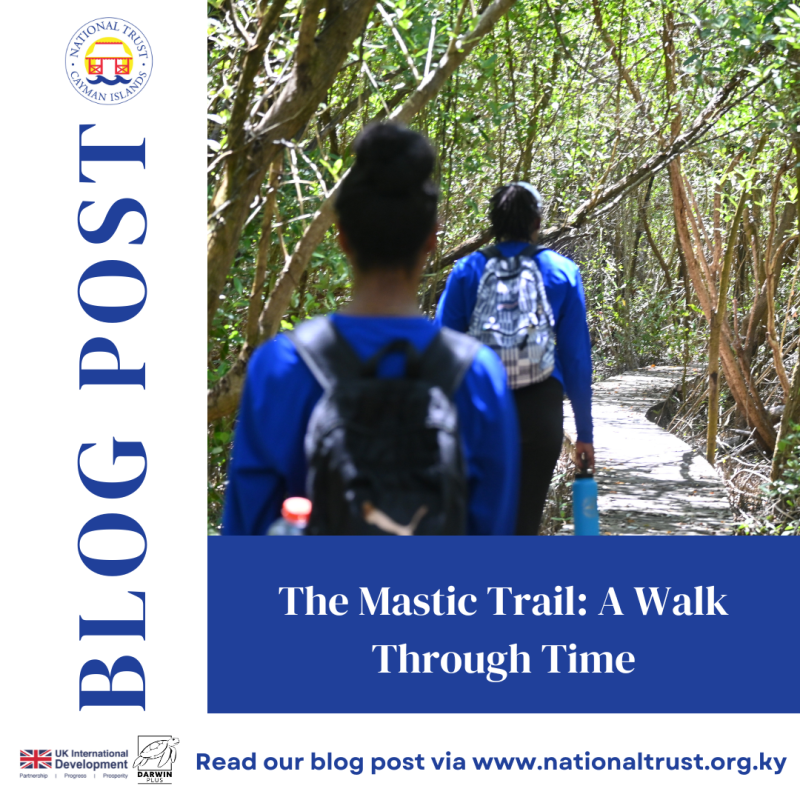
The Mastic Trail: A Walk Through Time
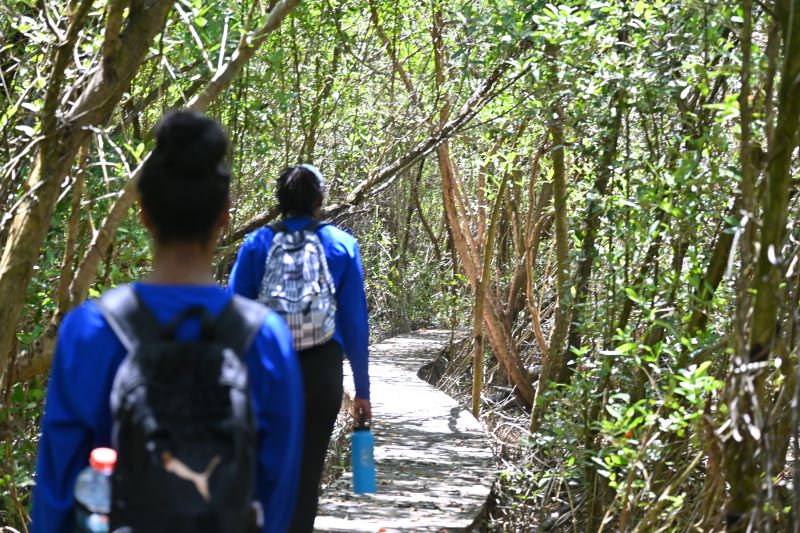
Tucked into the centre of Grand Cayman, the Mastic Trail is one of the island’s most iconic protected areas. Managed by the National Trust for the Cayman Islands, this 2.3-mile path winds through the 834-acre Mastic Reserve—one of the largest remaining areas of untouched wilderness in the country.
Named for the critically endangered native Yellow Mastic (Sideroxylon foetidissimum) and Black Mastic (Terminalia eriostachya) trees, the trail has a story that stretches back more than 120 years. Once used by early settlers to transport beach rocks and mahogany logs across the island’s interior, the path fell into disuse as coastal roads were developed. In 1994, the National Trust, with support from the Rotary Club, cleared approximately 8,000 feet of fallen trees and dense shrubs, officially reopening the trail in 1995.
A Living Landscape:
Walking the Mastic Trail is like stepping into a living museum. This ecosystem progresses from mangrove wetlands to craggy limestone bedrock formed from ancient coral reefs that have been shaped over millennia into outcrops, sinkholes, and weathered ridges. This rugged foundation supports one of the Caribbean’s rarest ecosystems, the dry forest.
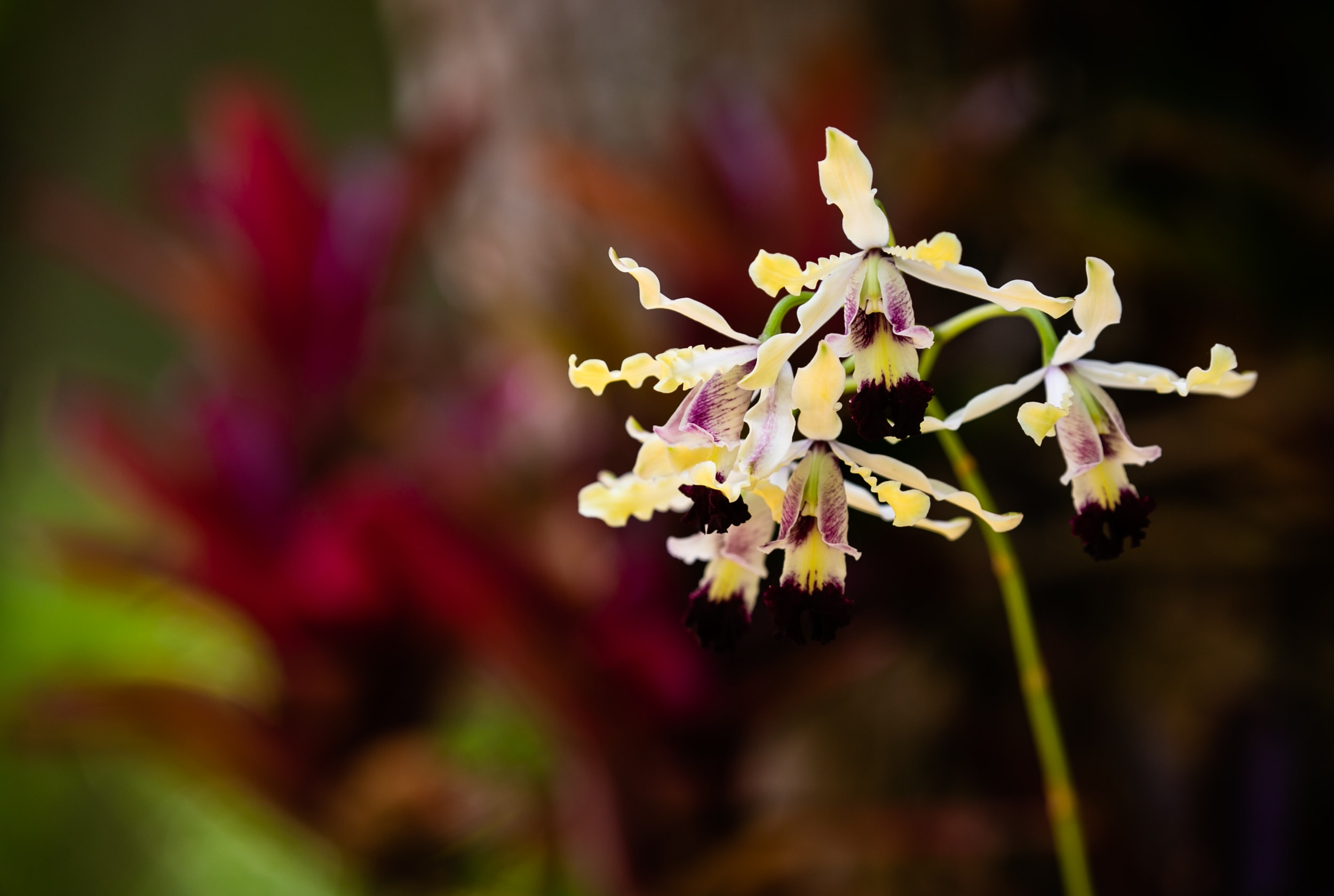
Towering mahogany, ironwood, and cedar trees line the path, many centuries old. Orchids, bromeliads, and ferns thrive in the shaded understory, while Cayman’s national flower, the Wild Banana Orchid (Myrmecophila thomsoniana), blooms in spring and early summer adding delicate bursts of colour. Grand Cayman Parrots (Amazona leucocephala caymanensis) call overhead, joined by the tapping of the West Indian Woodpecker (Melanerpes superciliaris) and the soft calls of the Caribbean Dove (Leptotila jamaicensis). Butterflies and dragonflies dance across sunlit clearings, while lizards, hermit crabs, frogs, and even harmless snakes scuttle through the leaf litter, reminding visitors that life here exists at every scale.
Conservation in Action:
The Mastic Reserve is legally protected under the National Trust Law (2009 Revision). This protected area, along with other critical sites like the Salina Reserve, together safeguard Cayman’s most critical habitats. Guided tours along the trail not only immerse visitors in this wild landscape but also directly support conservation, with proceeds funding trail upkeep and habitat protection.
Challenges:
Like all of Cayman’s natural areas, the Mastic Reserve faces pressures. Invasive plants and animals threaten native species, and climate change adds further stress through stronger storms, altered rainfall, and rising temperatures which stress species adapted to the dry forest. Although protected by the National Trust, development pressure on surrounding lands, including agricultural clearing and urban expansion, can fragment habitats. Protecting the Mastic Reserve means tackling these challenges head-on through careful land management, scientific monitoring, and the continued support of the community.
Why it matters:
The Mastic Trail is more than a hiking path – it’s a chance to witness the Cayman Islands’ natural heritage. It safeguards rare habitats, shelters threatened species, and connects us to the living history of Grand Cayman.
How You Can Help:
Want to support the Mastic Trail and other protected areas?
- · Visit the Mastic Trail on a guided tour and experience this wilderness first-hand.
- · Donate to the National Trust’s Land Reserve Fund to protect threatened habitats.
- · Become a member of the National Trust and join a community of conservation supporters.
- Volunteer in trail maintenance or tree-planting projects.
Together, we can ensure that this piece of Cayman’s natural heart remains protected for generations to come.
BACK TO NEWS